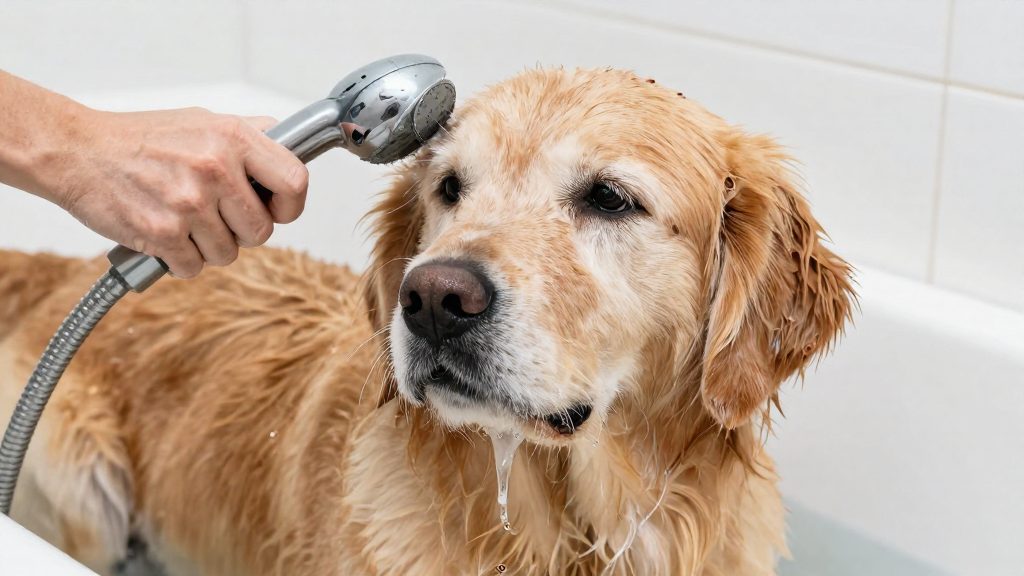
In the United States, the most recent national data (ASPCA, 2025) shows that strays made up about 59% of shelter intake and owner surrenders about 30%. Intake category alone does not tell you an animal’s temperament or health.
Pet store or shelter: what’s the difference?
Who holds the animal
- Shelters and rescues hold animals for adoption. They are usually run by nonprofits, municipal agencies, or volunteer foster networks.
- Pet stores hold animals as inventory and sell them to buyers.
- Legal definitions of these categories vary by state and locality. Confirm with your local licensing authority which category a given business or organization falls under before relying on any protection it claims to offer.
Sourcing channels
The ASPCA’s 2025 estimates for U.S. shelters identify two main routes into a shelter:
| Channel | Share of U.S. shelter intake, 2025 | What it means for you |
|---|---|---|
| Strays (found without an owner) | About 59% | Origin is often unknown; ask what the intake record states about where the animal was found |
| Owner surrenders | About 30% | The previous owner is usually known and can be asked about history and temperament |
Humane World for Animals says pet stores source puppies from puppy mills, but the fact sheet gives no national share for this channel, so no figure is stated here. The fact sheet gives no national share for this channel, so no figure is stated here. For a pet store, the key record is the supplier: a store should be able to name where each animal was obtained and provide that documentation on request.
Local retail puppy sale bans
Humane World for Animals (formerly HSUS), in a 2025-12-23 statement, counts 523 U.S. localities with ordinances banning retail sales of puppies, including 15 of the 20 largest cities. These bans restrict what pet stores can sell in those areas. The list can change, and the exact scope of each ordinance has to be checked locally. The same source does not address shelter or rescue adoption, and its figures cover puppies only, not cats or other species.
Shelter adoption pros
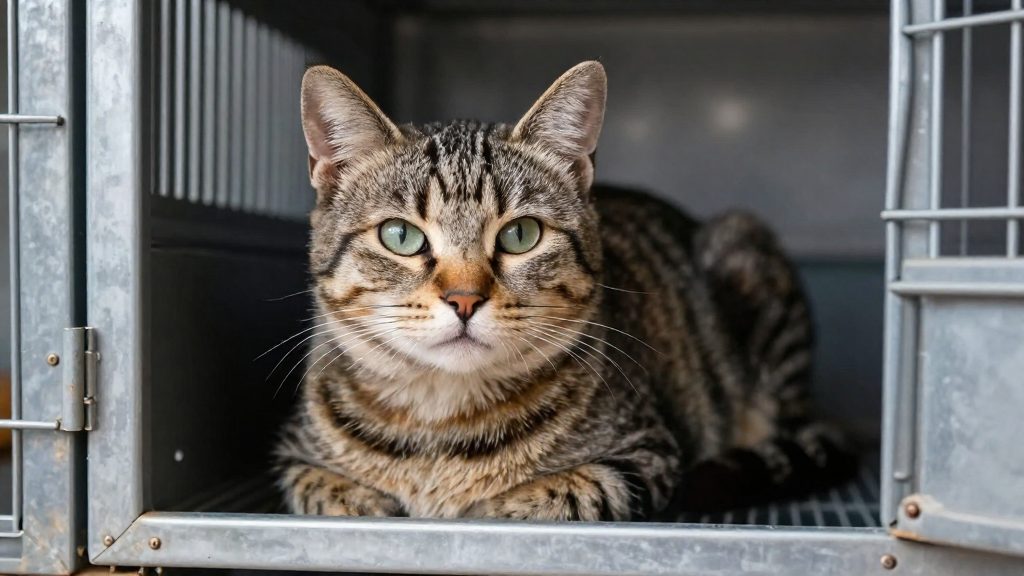
Shelter adoption may come with a record of the animal’s history and behaviour, though completeness varies, and it draws on a large national supply of dogs and cats. In the United States, about 5.8 million dogs and cats entered shelters and rescues in 2025, and about 4.2 million were adopted. These are national estimates compiled by the ASPCA from Shelter Animals Count data, so availability in a given area will differ.
National intake and adoption volume
| Measure (U.S., 2025) | Approximate figure |
|---|---|
| Dogs and cats entering shelters and rescues | 5.8 million |
| Dogs entering | 2.8 million |
| Cats entering | 3 million |
| Dogs and cats adopted | 4.2 million |
| Dogs adopted | 2 million |
| Cats adopted | 2.2 million |
Stray-origin animals and adoptability
Stray-origin animals are those found without a known owner (see the intake table above). About 59% of shelter animals entered as strays and about 30% as owner surrenders; the source does not give reasons for surrender. Stray origin does not reveal temperament, though. It means the animal’s previous life is unknown and must be assessed after arrival. Ask which intake category applies and whether the record includes a found location, since that detail shapes how much of the animal’s history is actually known.
Recorded behaviour and temperament history
A shelter’s temperament history is the main source of verifiable behaviour data available before adoption. Useful entries typically cover:
- responses to handling, carriers and unfamiliar people
- reactions to other dogs or cats during kennel or supervised play
- house-training or crate notes, where staff have recorded them
- dated observations from staff and volunteers, distinguished from reports by a previous owner or finder
Where a record is missing, the gap should be stated at adoption rather than filled with assumptions. An animal with a sparse file is not necessarily a problem, but its behaviour is then unknown and has to be observed over the first weeks at home.
Shelter adoption cons
Shelter adoption carries three limits worth weighing: incomplete animal histories, waiting periods that depend on local demand, and the risk of euthanasia. The national euthanasia rate fell from 10% in 2019 to 8% in 2025, though risk varies by shelter and region. In 2025, about 597,000 shelter dogs and cats were euthanized, according to the ASPCA (data from Shelter Animals Count, 2025). These are national estimates for the United States, and they cover dogs and cats only.
Capacity-driven euthanasia
The ASPCA reports that the euthanasia rate fell from 10% in 2019 to 8% in 2025 (ASPCA, 2025). The sources supplied do not give the reasons for euthanasia. The ASPCA reports that the euthanasia rate fell from 10% in 2019 to 8% in 2025 (ASPCA, 2025).
| Year | Euthanasia rate (shelter dogs and cats, U.S.) | Source |
|---|---|---|
| 2019 | 10% | ASPCA, 2025 |
| 2025 | 8% | ASPCA, 2025 |
A lower rate does not mean that every shelter has the same capacity. Availability varies by region and by facility, so the rate for one local shelter may differ from the national figure.
Unknown medical and behavioural history
Many shelter animals arrive with little or no verified background. Records may be missing for:
- Previous owners or the location where the animal was found
- Vaccination and treatment dates
- Earlier exposure to people, children, other animals, or noise
- Known triggers for fear, aggression, or house-training problems
For a stray, the first weeks in a shelter may be the only observation period available, so the animal’s true temperament can be hard to judge.
Waiting times and availability
Waiting times depend on local supply and on the specific animal you want. The fact sheet does not provide a verified national waiting-time figure, so treat any timeline as local and temporary. Ask the shelter for its current intake and adoption figures before you plan a move.
Pet store pros
A pet store can be a quick route to bringing a companion animal home: a buyer can see the animal in person, collect supplies, and get basic guidance in one visit. Its practical advantages are same-day availability, on-site starter supplies with feeding guidance, and a staff-led conversation about daily care. The fact sheet gives no national figure for how often stores stock a given breed or age, so confirm current stock by phone or in person before travelling to a store.
Same-day availability of specific breeds and ages
Stores that hold animals on site let a buyer see a particular species, breed, or age group without waiting for a rehoming listing or an appointment. This matters most when a household has a fixed timeline, such as a move or a new baby. Stock changes often, so ask staff which animals are present on the day and whether a specific animal can be held for a short period. Do not assume an animal listed online is still available when you arrive.
On-site starter supplies and feeding guidance
Many stores sell the items needed in the first days: enclosure or bedding, bowls, a carrier, and food. Buying these together reduces the chance of bringing an animal home without a suitable setup. Ask staff for the exact food the animal currently eats, the feeding schedule, and the portion size. Ask your veterinarian how to transition the animal to any new diet, as the right approach depends on the species. Write these details down so that a vet or another store can match them later.
Staff-led sales conversation and purchase documentation
Staff can explain handling, housing needs, and routine tasks for the species on sale, which gives a buyer an early sense of the time and effort involved. A useful conversation includes questions the buyer should ask in return: which health checks or vaccinations are recorded, and what paperwork accompanies the sale. Request every document in writing, including the sales receipt and any health record the store holds.
Pet store cons and puppy mill concerns
Buying a puppy from a pet store carries a sourcing risk that a buyer cannot easily check at the counter. Humane World for Animals (formerly HSUS), in a statement dated 2025-12-23, says pet stores source puppies from puppy mills. This is an advocacy group’s claim, so it describes a pattern the group reports, not a finding about any individual store. The same statement cites a USDA audit, released in February, which concluded that continued noncompliance by licensed dog breeders threatens dog welfare.
| Claim | Source | Date or status |
|---|---|---|
| Pet stores source puppies from puppy mills | Humane World for Animals | Statement dated 2025-12-23 |
| Licensed breeders’ continued noncompliance threatens dog welfare | USDA audit, cited by Humane World | Released in February |
| 44% decrease in puppies from USDA-licensed mills over five years | Humane World for Animals | Statement dated 2025-12-23; no baseline year given |
The 44% figure describes a trend in puppies from USDA-licensed mills. No baseline value is given alongside it, so it should be read as the group’s reported change, not a measured count of total puppies.
Impulse buying is a second concern. A store display lets a buyer take a puppy home on the day of the first visit, before checking the breeder, the parents’ health, or the animal’s history. A shelter or breeder visit usually involves a meeting and a waiting period. Those steps are absent in a single retail transaction.
Traceability is the third concern. A store sale often gives the buyer little visibility into where the litter was born or how the parents were housed. Without that information, the buyer cannot judge the welfare conditions behind the animal.
What does it really cost?
The upfront payment is only one part of what a pet costs over its life, and the two acquisition routes differ mainly in what that payment covers. The fact sheet for this section contains no price, fee or recurring-cost figures, so this section compares cost categories and the questions to ask each provider. Check any amount you find against the provider’s written terms and the current price information in your region.
Upfront payment
An adoption fee is charged by a shelter or rescue, and a purchase price is charged by a pet store or breeder. The labels describe different transactions, so comparing the two numbers directly tells you little. Ask each provider in writing what the payment includes, such as vaccinations, identification, a health record or a spay or neuter procedure. An included service can offset much of an otherwise higher fee.
Veterinary and preventive care
Plan for a first veterinary examination, vaccinations, parasite control and identification. Whether any of these are already done before you take the animal home is the largest variable between routes. Request copies of the animal’s medical records and note which procedures are documented and which are still due.
Recurring costs
Recurring costs continue for the animal’s whole life and are the same regardless of where the animal came from:
- Food: the cost depends on species, size and diet, so estimate it from the food your chosen animal will need.
- Insurance: policies differ in coverage and exclusions, so read the exclusions before buying.
- Routine care: scheduled checkups and any treatments your veterinarian recommends add to the yearly total.
| Cost component | What to request or check before paying | Why it varies |
|---|---|---|
| Upfront payment | Written list of what the fee or price includes | Services bundled into the payment differ by provider |
| Medical records | Copies of vaccination and treatment history | Documentation depends on the source of the animal |
| Preventive care still due | Items not yet completed at pickup | Depends on the animal’s age and history |
| Food | Diet required for the species and size | Depends on the animal, not the route |
| Insurance | Coverage limits and exclusions | Set by each insurer |
| Routine care | Checkup schedule advised by your veterinarian | Depends on the animal’s age and health |
How do you choose a healthy pet?
Before committing to any animal, run the same checks whether it comes from a shelter, a rescue, a breeder, or a pet store. The source tells you little about current health, so the animal and its surroundings have to tell you. Give the animal at least one unhurried look and handling session, and ask for its records in writing. Any refusal to show the animal or its records is a reason to walk away.
Observable signs of illness in young animals
Look at the animal while it is resting and while it moves. Watch for these signs:
- Eyes and nose: discharge, crusting, cloudiness, or constant squinting.
- Breathing: coughing, sneezing, or open-mouth breathing at rest.
- Coat and skin: dull or patchy fur, visible parasites, scabs, or hair loss.
- Digestion: diarrhea, or soiled fur around the hindquarters.
- Body shape: a swollen or hard belly, or ribs and spine that stand out clearly.
- Behaviour: lethargy, no interest in surroundings, or limping.
For birds, fluffed plumage held for long periods and nasal discharge are warning signs. For fish, clamped fins and gasping at the surface are common indicators of a problem. For reptiles, look for mouth lesions and swelling around the jaw. Any of these signs means you should have a veterinarian examine the animal before adopting or buying. Breathing difficulty, gasping, a hard swollen belly or marked lethargy are emergency signs. Do not buy or adopt the animal until a veterinarian has examined it. If you notice any of them after taking the animal home, contact a veterinarian or an emergency clinic immediately.
Vaccination and health record questions
Ask the seller or shelter for the animal’s written record and check it against your state and local requirements. Useful questions include:
| Record item | Question to ask |
|---|---|
| Vaccines | Which vaccines were given, on which dates, and by which veterinarian? |
| Parasite treatment | Which products were used for internal and external parasites, and when? |
| Identification | Is the animal microchipped, and is the number recorded in the paperwork? |
| Veterinary contact | Which clinic holds the file, and can you contact it directly? |
| Travel documents | If you plan to travel, does the record meet the destination’s entry rules? |
Confirm vaccination and entry requirements with your state veterinarian’s office, your local animal control authority and your own veterinarian, not only with the seller.
Enclosure and handling conditions to inspect on-site
The housing tells you how the animal has been cared for. Inspect the following:
- Cleanliness: dry bedding, no build-up of feces or urine, and no strong odor.
- Space: animals are not crowded, and each has room to move and rest away from the others.
- Water and food: fresh water is accessible, and food is available and not spoiled.
- Ventilation and temperature: the enclosure is airy but free from draughts, and the animal is not left in direct sun or cold.
- Isolation: visibly sick animals are kept apart from the rest of the group.
- Handling: staff pick animals up calmly and support their bodies. Rough or hurried handling is a welfare concern.
Compare what you see in the enclosure with the animal you are considering. If the animal is clean and calm but the surroundings are poor, or the reverse, ask why before deciding.
Which option fits your household?
No single route suits every household. The right choice depends on how much time you can give, how much experience you have with the species, and how much uncertainty about an animal’s past you can accept. Those three factors, plus whether you need a specific breed, usually decide between a shelter or rescue and a pet store.
Matching time, experience and species to a route
Work through these factors before you visit any location:
- Time available: Adopting from a shelter or rescue often means meeting several animals and completing an application, so plan for more than one visit. A pet store purchase is usually quicker, but it leaves less room for a behavioural assessment.
- Experience: If this is your first pet, a shelter can help. Staff often know an animal’s temperament from daily contact, and many shelters are a good place to ask about the animal’s routine and handling needs.
- Species: Dogs and cats make up most of the U.S. shelter population. Smaller pets, birds, fish and reptiles are less consistently represented, so confirm availability for your species before you commit.
| Household profile | Route that usually fits | Reason |
|---|---|---|
| First-time owner, flexible schedule | Shelter or rescue | Staff can describe the animal’s known behaviour |
| Fixed schedule, want a quick purchase | Pet store (where legal and licensed) | Shorter process, but limited history on the animal |
| Experienced owner, specific species | Either, depending on local supply | Experience helps you judge unknown histories |
Decision questions on uncertainty tolerance and history
Ask yourself these questions before you choose:
- Can I accept an unknown past?
- Do I need documented origin?
- Am I comfortable with a longer wait? Shelter placement can take time for a specific animal, while stores hold stock more predictably.
Choosing a route when a specific breed is wanted
If you want a particular breed, start with breed-specific rescues, which often list animals online, and then compare them with general shelters. Shelters receive many types of animals, so a specific breed may not appear on the day you visit.
If you consider a breeder or pet store, ask to see the animal with its parent or parents where possible, and request health records.
Frequently asked questions
Where do shelter animals come from, and what does that tell me about them?
According to ASPCA estimates for 2025, about 59% of U.S. shelter intake was stray-origin animals, and about 30% were owner surrenders. The intake record may say where an animal was found, but the detail varies between shelters, so ask for it directly.
Can a pet store sell puppies where I live?
Humane World for Animals counted 523 U.S. localities with retail puppy sale bans as of 2025-12-23, including 15 of the 20 largest cities. That is an advocacy group’s count and the list changes, so confirm the current rules with your local licensing authority.
Does a USDA license show that a breeder treats dogs well?
No. Humane World for Animals cites a USDA audit (the year is not stated in its release) that found continued noncompliance among licensed breeders threatens dog welfare. A license alone does not confirm that welfare standards are being met.