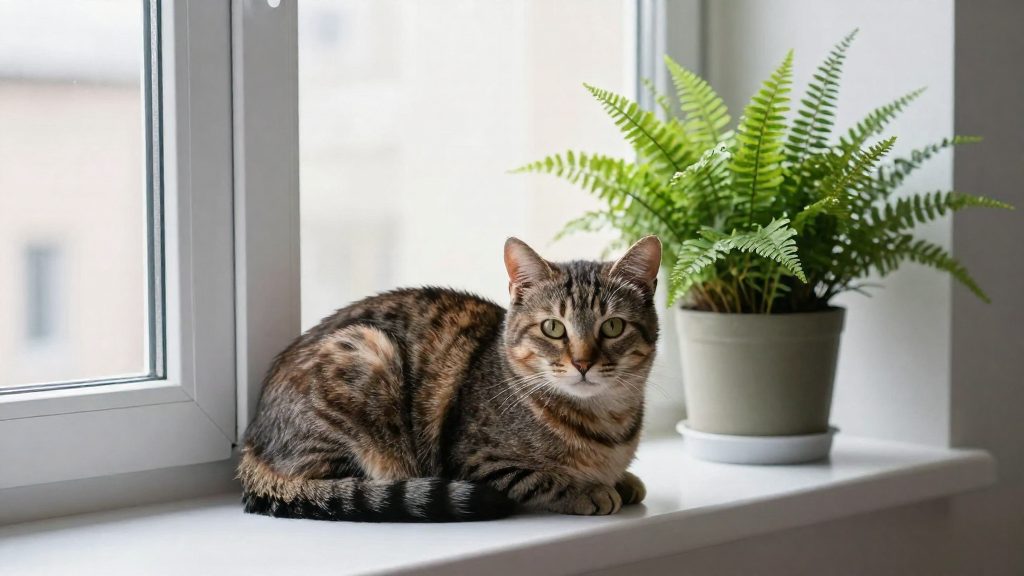
A pet suits a small apartment when its adult size fits the usable floor space and enclosure space, its daily care needs match the hours the owner can give each day, and its expected lifespan fits a long-term commitment. Household members matter too, because every animal shares the same rooms. According to PetPlace (2026), the species most often recommended for apartments include small to medium dogs with low-to-moderate energy, cats with vertical space, small birds, small mammals and fish, provided each has a suitable and well-maintained habitat.
What makes a pet suit a small apartment?
Three screening criteria apply before any species is chosen: adult size, lifespan and energy level. Each one should be checked against the actual home, not an idealised one.
Adult size versus usable floor and enclosure space
Measure the space you can actually use, not the total floor area. Usable space excludes furniture, door swings and the routes you walk every day. For caged or tanked animals, the enclosure must fit the room and leave the room usable. The sources consulted do not give minimum enclosure dimensions for any species, so check species-specific sizing with a veterinarian before buying housing.
| Pet group | Space or energy profile named (PetPlace, 2026) |
|---|---|
| Small to medium dogs | Low-to-moderate energy; suited to apartments with moderate indoor activity |
| Cats | Vertical space such as cat trees, shelves and window perches |
Expected lifespan and long-term commitment
Lifespan determines how long a household must plan for housing, feeding and daily care. PetPlace (2026) states that rabbits may live up to about 10 years. The sources consulted do not specify typical lifespans for the other groups in the table. Consider where you expect to live over the animal’s whole lifetime, not only in the next year.
Energy level and daily time
Energy level sets the daily time commitment. Before choosing, estimate the minutes per day you can reliably give each animal, including on busy weekdays, and compare that figure with the species’ needs.
Household members and shared space
Every resident and regular visitor shares the same rooms. Check whether anyone in the household has an allergy to the species being considered, and whether existing pets can live safely with a new one. The sources consulted do not set out general compatibility rules between species.
Can you keep a dog in a small apartment?
Yes, if the dog is small to medium in size and has low-to-moderate energy level. PetPlace (2026) lists these dogs as the best fit for apartment living, provided the owner can meet their daily needs: short walks, moderate indoor activity, early socialization and training, and mental stimulation. Energy level is the first factor to check, because a dog that needs long runs or intense exercise will struggle in a home with limited room, whatever the floor area.
Daily needs at a glance
| Need | What it involves | Source |
|---|---|---|
| Walks | Short, taken every day | PetPlace (2026) |
| Indoor activity | Moderate play and movement inside the home | PetPlace (2026) |
| Socialization | Started early | PetPlace (2026) |
| Mental stimulation | Puzzle toys that require the dog to work for food or toys | PetPlace (2026) |
Socialization and training
Early socialization and training are important needs for dogs living in apartments. A dog that is comfortable with varied people, sounds, floor surfaces and handling is easier to manage in shared buildings, with lifts, stairwells and neighbours. Introduce these experiences gradually, reward calm behaviour, and keep training sessions brief and regular.
Using puzzle toys
Puzzle toys give a dog something to do when the owner is out or busy. They work best when they are part of a routine: a portion of the daily food can be offered through a puzzle feeder, which adds activity without needing extra floor space. PetPlace (2026) names puzzle toys specifically as a form of mental stimulation for apartment dogs.
Are cats the easiest apartment pet?
Cats can suit a small flat, but the space they need is organised differently from a dog’s. PetPlace (2026) lists three needs for cats in apartments: vertical space, interactive play, and a quiet litter box area that is cleaned often. The source does not rank cats above other pets, so the choice depends on whether you can meet these needs every day. Cats shift the effort from floor area to daily routine.
Using vertical space
In a compact home, a cat’s territory can extend upward rather than across the floor. PetPlace (2026) points to three options:
- Cat trees, freestanding structures with several levels.
- Shelves, mounted at heights the cat can reach safely.
- Window perches, which give the cat a view outside without using floor space.
Place these near the main living area so the cat stays part of household routines. Check that every shelf and perch is fixed securely before the cat uses it.
Interactive play sessions
Indoor cats need structured play, not only toys left on the floor. PetPlace (2026) names interactive play as a core need. A practical method is a short session with a wand toy that you move to imitate prey, followed by a pause, then a repeat. Rotate toys so the cat does not lose interest. Schedule sessions at consistent times. The official sources consulted do not specify a session length, so adjust it based on how the cat responds.
Litter box placement and cleaning
The litter box should sit in a quiet, low-traffic spot, away from feeding and sleeping areas. In a small flat, this usually means a corner that is accessible but off the main walkway. Remove waste regularly and replace the litter on a set schedule. The official sources consulted do not specify an exact cleaning interval, so set one that keeps the box clean enough for the cat to keep using it.
Small mammals, birds, fish and reptiles: what fits?
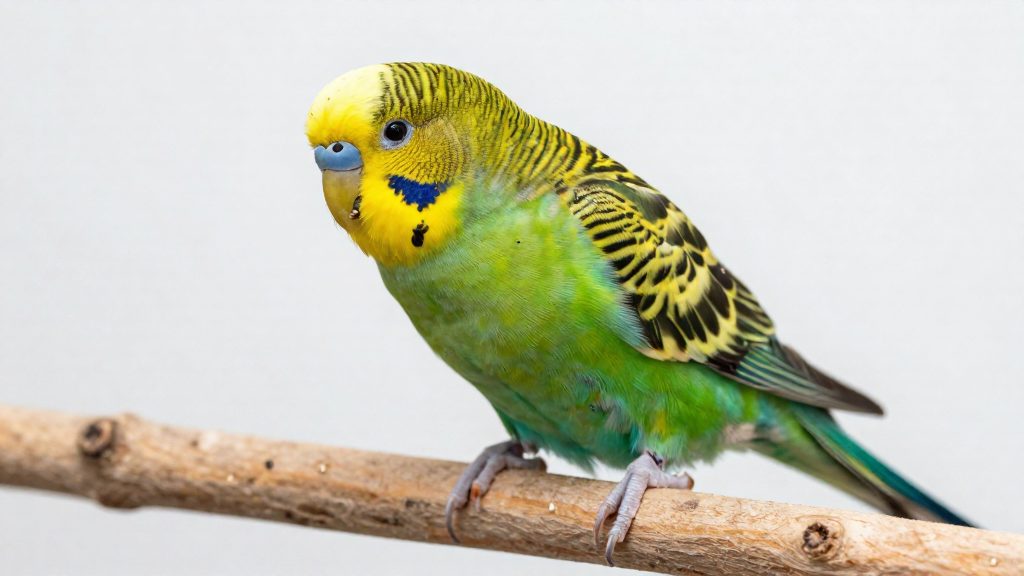
Smaller pets can suit a limited indoor space, but each group makes different demands on placement, equipment and daily time. According to PetPlace (2026), small mammals such as hamsters, guinea pigs, rabbits and ferrets need enclosures away from drafts and loud noise, clean bedding and daily interaction. Small birds such as parakeets and finches are quieter than large parrots but still need a roomy, clean cage and daily interaction. Reptiles need temperature-controlled habitats with proper heating and lighting. Fish are low-noise but depend on consistent cleaning and feeding schedules (PetPlace, 2026).
| Group | Examples named in the source | Core enclosure requirement | Routine requirement |
|---|---|---|---|
| Small mammals | Hamsters, guinea pigs, rabbits, ferrets | Away from drafts and loud noise | Clean bedding; daily interaction. Rabbits need daily contact or a bonded companion and may live up to about 10 years |
| Small birds | Parakeets, finches | Roomy, clean cage | Daily interaction |
| Reptiles | Reptiles in general (species not named in the source) | Temperature-controlled habitat with proper heating and lighting | Keep heating and lighting running as set up |
| Fish | Fish in general (species not named in the source) | Low-noise; the source gives no placement requirement | Consistent cleaning and feeding schedules |
The practical comparison comes down to two checks. First, measure the floor space and identify a spot away from drafts and loud appliances, because a mammal or bird enclosure needs a fixed position. Second, consider the lifespan: rabbits can stay in your home for about 10 years, which is a longer commitment than many smaller species. Reptiles and fish add a different kind of workload, with heating, lighting or water care that must run on a steady schedule rather than a daily visit.
How much time and noise can your building handle?
In a flat, two practical limits decide which pets are workable before breed or size come into play: how far sound carries to your neighbours, and how many hours a day you can give to care. PetPlace (2026) lists noise, specifically thin walls, and the daily time you have available as factors to check before choosing a pet.
Thin walls and neighbour tolerance
Assess the flat the way a neighbour would hear it. Note whether you can hear footsteps, voices or television through your shared walls, because an animal’s noise travels the same way. Consider whether a sound made during working hours, such as a bird calling or a dog barking, would be acceptable to the people on either side.
Noise also works in reverse. A cage placed against a shared wall or beside a noisy room may suit small mammals poorly, since PetPlace (2026) advises keeping their enclosures away from loud noise. Among birds, PetPlace (2026) describes small species such as parakeets and finches as quieter than large parrots.
Daily care hours per species
The consulted source does not give minimum hours per day for any species, so the table below records the type of daily care each one needs rather than a time figure.
| Species | Daily care described by PetPlace (2026) | Noise point |
|---|---|---|
| Small birds | Daily interaction, roomy and clean cage | Quieter than large parrots |
| Reptiles | Temperature-controlled habitat with heating and lighting | Not addressed in the source |
| Fish | Consistent cleaning and feeding schedule | Low-noise |
To estimate your own capacity, list every weekly task for the species you are considering, then add up the time it takes. Include feeding, cleaning, interaction and any equipment checks, such as heating for reptiles.
Absence plan for workdays
The official sources consulted do not specify how long any species may be left alone. Build your own absence plan with these steps:
- Write your workday timetable, including departure, return and commute.
- Mark the hours when the animal would be alone and identify which tasks need a person in those hours.
- For each gap, arrange a sitter with fixed visit times and a written routine, and record an emergency contact at your veterinary clinic.
- Test the routine on a trial basis before committing to an adoption.
What do Canadian leases and landlords allow?
Your lease is the first document to check before adopting, because it sets the pet policy you must follow in your unit. PetPlace (2026), a US publication, advises checking the building’s rules on breed, size and the number of pets allowed. Canadian tenancy rules are set by each province or territory, so confirm what applies to you in your lease and with your provincial tenancy authority. These limits can rule out a species or breed before you visit a shelter or breeder, so check them first. The official sources consulted do not specify the exact wording Canadian landlords must use, so read the actual clause rather than assuming a standard form.
Lease clauses on pets
Look for these items in the lease or in the building’s pet rules:
- Breed restrictions: a named list of breeds, or a general ban on certain breeds.
- Size limits: a maximum weight or height, and whether it applies to the adult animal.
- Number limits: a cap on pets per unit, and whether it counts birds, fish tanks or small caged animals.
- Pet-related charges: check whether the lease mentions any. Whether and how a landlord may charge for pets depends on the province or territory, so confirm with the provincial tenancy authority.
If the lease is silent on a species, ask for written confirmation before you bring the animal home.
Where to find provincial tenancy rules
Residential tenancy rules in Canada are set at the provincial or territorial level. The official sources consulted do not name the specific legislation or authority for each jurisdiction. To find it, start on the government website of the province or territory where the unit is located and search for landlord and tenant or residential tenancy guidance. Note the publication date of any page you rely on, since rules can change. If you have a dispute with a landlord over a pet clause, contact your provincial tenancy authority, a tenant association or a legal advice service.
If a lease clause appears to conflict with provincial guidance, the official sources consulted do not specify which one prevails. Raise the question with the landlord and keep a written record of the answer.
Questions to ask the landlord before adopting
- Does the pet policy cover the species I am considering, or only dogs and cats?
- Is the size limit based on the adult weight or on the animal’s current size?
- Does the number limit include fish tanks, small mammals and birds?
- Are any pet-related charges listed in writing?
- Can you confirm the answers by email?
When should you see a vet?
Changes in appetite, weight, drinking, breathing, energy, droppings and urine are often the first signs that a companion animal is unwell. Apartment animals are seen every day, so a gradual shift is easy to miss unless you compare the animal with its own normal routine. Contact a veterinarian promptly when you notice any of these changes. Breathing difficulty, collapse, a seizure, or straining to urinate with little or no urine passed need immediate veterinary care. The official sources consulted do not specify exact durations for these signs, so this section gives no timeframes.
Appetite, weight and drinking
Eating less, refusing food or drinking noticeably more or less than usual are signals to act on, not to watch passively. Weight loss you can see or feel, and a change in how a pet’s body or coat looks, also warrant an assessment. In rabbits, guinea pigs and birds, refusing food altogether is urgent: contact a veterinarian the same day.
Breathing, energy and collapse
Breathing changes are the most time-sensitive group. Laboured, noisy or open-mouth breathing, rapid breathing at rest, or a bluish or greyish tint to the gums or tongue need immediate veterinary care. A bird that sits fluffed on the perch for long periods or bobs its tail while breathing also needs immediate veterinary care, because birds tend to hide illness until it is advanced. Lethargy is a broader warning: a pet that hides more than usual, avoids its normal activities, cannot stand or walks unsteadily needs prompt assessment. Collapse or a seizure is an emergency.
Droppings and urine
| Change to note | Why it matters |
|---|---|
| Diarrhoea or unusually soft droppings | Can signal digestive or infectious problems |
| Blood in urine or droppings | Always needs veterinary assessment |
| Straining to urinate with little or no urine passed | Emergency: seek veterinary care immediately, particularly for male cats |
| Rabbit or guinea pig passing very few or no droppings | Can indicate a gut slowdown, which is urgent |
| Clear change in urine volume or colour | Can reflect kidney, bladder or metabolic issues |
Frequently asked questions
Can I keep a medium-sized dog in a rented apartment?
PetPlace (2026), a US publication, lists small to medium dogs with low-to-moderate energy among the types most often suited to apartments. It also advises checking the building rules on breed, size and number of pets before you commit. Your own lease and building rules decide what applies to you, so confirm them with your landlord and your provincial or territorial tenancy authority.
My apartment has thin walls. Can I still keep a hamster or a parakeet?
PetPlace (2026) advises keeping small mammal enclosures away from drafts and loud noise, and it lists thin walls as a noise factor to check before choosing any pet. Small birds are quieter than large parrots, but they still need a cage with enough room to move and regular cleaning. Test the spot you plan to use by listening for sound transfer from neighbours at the times you will be home.
I work long hours. How do I compare species by daily care?
PetPlace (2026) does not rank species by hours of care, so compare your daily time against each species’ listed needs. Dogs need short daily walks, rabbits need daily contact or a bonded companion, and fish and reptiles depend on consistent schedules for feeding, cleaning and heating.