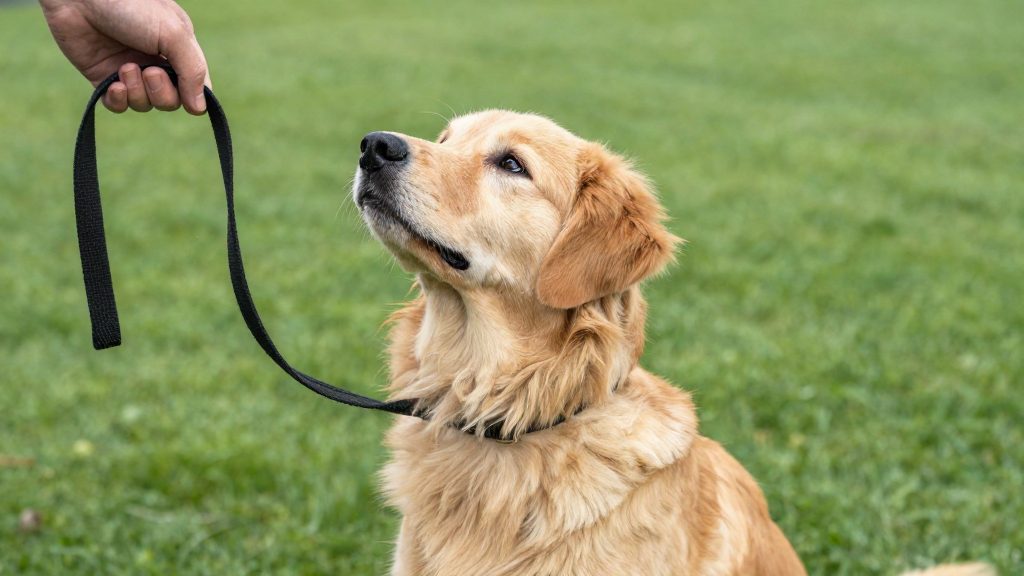
Canadian rescue groups, shelters and rehoming organisations work on pet overpopulation, which means many dogs already in the country need homes. According to the PEI Humane Society (2026), adopters can adopt domestically through a local rehoming group, rescue or shelter, and a transport service is only needed if the animal has to travel. This section explains how that national context shapes local options and why adopting a dog already in Canada is a practical choice.
Why adopt locally in Canada?
How overpopulation shapes local options
Because Canadian groups work on pet overpopulation, local shelters and rescues regularly hold dogs of different ages, sizes and backgrounds. Choosing a local organisation means you are working with the same network that is already responding to the need in your area. The official sources consulted do not give national figures for shelter intake or adoption rates, so the practical question is which local groups in your region hold dogs that match your household.
Benefits of adopting a dog already in Canada
- Easier access to the dog’s information. Local contact may make it easier to visit and to ask follow-up questions.
- Better match to your home. Canada’s Guide to Dogs (2024) advises choosing a dog that fits your living situation, energy level and household, including children and other pets. Ask local groups how they assess a dog against these needs.

Shelter, rescue or foster: where to start
For most adopters in Canada, the first search should focus on local options. Starting nearby means you can visit, meet the dog and hold a first conversation in person.
How the options differ
- Shelters take in dogs at a facility and are usually the most direct route to a first visit.
- Rescues are non-profit groups that place dogs through their own process. Their dogs may be housed differently from those in a shelter, so check directly.
- Foster-based placements rely on dogs living in a private home before adoption. The official sources consulted do not describe how these arrangements work in practice, so ask any group how its dogs are housed before deciding.
Age is a useful filter. Age is a useful filter. According to Canada’s Guide to Dogs (2024), an adult or older dog’s temperament is usually already established, so it is easier to judge. A puppy’s temperament is still forming, so it is harder to predict. If predictability matters to you, include adult dogs in your comparison.
Finding listings and making first contact
- Search for shelters and rescue groups in your own area, and note each one’s listed dogs, intake process and contact method.
- Shortlist dogs whose listed energy level, age and household compatibility match your situation.
- Prepare questions before the first conversation.
How do you spot a reputable rescue?
A credible rescue or shelter shows its standards in how it treats prospective adopters and how openly it discusses the animal. Responsible shelters and rescues screen potential adopters before placement. An organisation that asks about your home, schedule, and existing animals before discussing payment is applying that principle. Screening also works as a signal of intent: it shows the group is concerned with whether the placement will last.
Openness about history and health is the second signal. The PEI Humane Society (2026) advises that information on health, wellness, behaviour, and history should be shared as transparently as possible, while respecting confidentiality. A reputable group states what it knows, says clearly what it does not know, and identifies where the information comes from, such as a stray intake or a surrender. Confidentiality may limit some details, but the PEI Humane Society (2026) advises that information on health, wellness, behaviour and history should still be shared as transparently as possible.
Temperament assessment is the third check. Ask staff what they have observed in kennel and in interactions with people and other dogs, and whether those observations are recorded. A specific, written description is more useful than a general label such as “friendly”.
Warning signs of an unreliable operation mirror these principles:
- No questions about your home, household, or experience with dogs, and no discussion of fit.
- Pressure to commit quickly, or to pay before meeting the animal.
- Vague or contradictory answers about health checks, behaviour, or origin.
- Unwillingness to let you speak with staff who handle the animal daily.
- No written record of the dog’s intake or assessment.
Puppy or adult: which dog suits you?
An adult rescue dog gives you the most predictable profile. According to Canada’s Guide to Dogs (2024), an adult or older dog’s temperament is usually already established, so it is easier to judge how easygoing and well socialized the dog is. A puppy’s temperament predictability is lower, because its adult personality is still forming. Choosing a puppy therefore means accepting more uncertainty about the final temperament, and planning for the training and time that uncertainty requires.
Puppies place heavier demands on the adopter in the early period. Their training starts from zero, so house rules, handling, and basic commands must be taught consistently by every person in the home. Exposure to new people, sounds, surfaces, and other animals is part of socialization, and it works best when it is structured and repeated rather than left to chance. Adult dogs may already have these skills, although their history matters: see the section ‘Questions to ask before you adopt’ for what to ask about prior experience.
Daily care changes with life stage, and the daily time commitment differs more than many adopters expect. The table below sets out the general differences; the official sources consulted do not give specific hours per day for either group.
| Factor | Puppy | Adult or older dog |
|---|---|---|
| Temperament | Still developing; final character is harder to predict | Usually established; easier to assess before adoption |
| Training | Starts from the beginning; needs consistent, repeated teaching | May already know some commands; training is often targeted |
| Socialization | Needs structured, repeated exposure during development | Needs assessment of existing habits rather than building from scratch |
| Daily care | Frequent attention, supervision, and routine changes as the dog grows | Routine is more stable; care needs track the dog’s energy level and health |
Before deciding, match the dog’s energy level and your available time. A puppy suits an adopter who can give sustained daily attention, while an adult suits one who wants a clearer picture of the dog’s character from the start.
Questions to ask before you adopt
Before you contact a shelter or rescue group, write down your questions. A written list helps you cover health, behaviour, history and household fit in one conversation and compare answers across organisations.
Preparing questions before the first contact
Start by confirming where the dog is. If the dog has to travel to reach you, ask who arranges and pays for the transport.
Prepare a short profile of your own household before you call: the ages of any children, the other pets you have, your daily activity and your living space. You can then check each answer against this profile.
Health exam and behavioural screening status
Ask directly: has the dog had a vet exam and a behavioural screening? Then ask for the results, not just a yes or no. Canada’s Guide to Dogs (2024) lists both checks as the first questions to put to a shelter. The official sources consulted do not specify which tests a given organisation must run, so ask each one to describe its own process.
Origin history and temperament
Ask what the dog’s origin history is: whether it was a stray, a surrender, or came from an abusive situation. Each background raises different questions about past experiences and triggers.
Ask the staff to describe how the dog responds to new people, handling and unfamiliar places.
Child, pet and energy fit
Ask how the dog behaves with children and with other animals. Then ask for its energy level, and compare that answer with your daily routine.
| Question area | What the answer tells you |
|---|---|
| Vet exam and behavioural screening | Whether health and behaviour were assessed, and what the results show |
| Origin history (stray, surrender, abuse) | Likely past experiences and what to observe early on |
| Behaviour with children and other animals | Whether the dog suits your household composition |
| Energy level | How much daily exercise and activity the dog needs |

What happens at adoption: spay/neuter and vet checks
According to Canada’s Guide to Dogs (2024), most shelters spay or neuter dogs before adoption. Practice varies by organization, so confirm at the time of adoption whether the dog has already been spayed or neutered.
If a dog has not been altered, the same guide notes that a partial refund of the adoption fee may apply. Eligibility and the refund amount are set by each organization, so ask about the conditions before you sign. Request the refund terms in writing.
Where the dog is not fixed, the adopter has the procedure done by their own veterinarian, according to Canada’s Guide to Dogs (2024). Adopters should:
- Ask the shelter whether the dog is already spayed or neutered, and whether a record of the procedure is available.
- If it is not, confirm the refund terms and any deadline for proof of the procedure.
- Book an appointment with a local veterinarian and tell them the dog came from a rescue, so they can review any records the shelter provides.
- Keep the receipt or medical record and send it to the rescue if the refund requires it.
Imported rescue dogs: what to check
A dog brought into Canada by a rescue has usually travelled, which adds checks that a local adoption does not involve. The first question is who moves the dog and how. The official sources consulted do not specify a full list of transport or import documents, so the steps below describe how to verify the arrangements, not fixed legal requirements.
Confirm the transport arrangement
Ask the rescue to name the transport service it uses and to describe each stage: collection at the origin, the journey, and handover in Canada. A transport provider you can identify and contact is a stronger basis than an informal arrangement with no named organization.
Verify the rescue’s source
Ask how the dog came to the rescue. Compare the answers across several conversations. A history that changes between contacts is a reason to pause. Also ask who you can reach in Canada after adoption if a problem arises.
Check the health records and origin history
Request the veterinary examination record from the origin country. Note which vaccinations and tests are documented, with dates and the name of the veterinarian who issued them. Ask the rescue which documents it holds and which it cannot provide. Gaps should be stated openly rather than explained away.
Settling in and when to see a vet
A newly adopted dog needs a structured first period at home, and the way it settles depends partly on how much you know about its background. The official sources consulted do not specify a fixed length for the adjustment period, so treat it as a gradual process rather than a deadline.
Adjustment routines during the first weeks
- Keep a predictable schedule. Set feeding times, walks and rest periods early and hold them steady, so the dog can learn the household pattern.
- Introduce people, rooms and other pets gradually. Watch the dog’s body language and let it approach at its own pace rather than forcing contact.
- Limit access to the house at first. Introduce the house one area at a time and supervise the dog while it explores, until its response to its surroundings is clear.
- Keep a daily log. Record appetite, water intake, sleep, toileting and activity level. A written record gives a vet observations rather than recollections.
First veterinary visit after adoption
Bring the health and history records the shelter or rescue provided. Ask for any vet exam results and a written summary of the dog’s history, such as whether it was a stray, a surrender or an abuse case, before you leave the shelter. Also bring your daily log and a list of questions. The official sources consulted do not set a required timing for the first visit, so schedule it early in the adjustment period.
Warning signs that need prompt veterinary contact
The official sources consulted do not publish a complete list of warning signs, so this section cannot give one. Contact a veterinarian or an emergency clinic immediately if the dog has difficulty breathing, collapses, has a seizure, vomits repeatedly or shows sudden severe pain. Do not wait to see whether these improve. For other marked changes in eating, drinking, toileting or movement, or if the dog seems unwell, call your vet promptly. Your daily log shows the clinic what changed and when. Your daily log is the most useful evidence to share with the clinic when you call, because it shows what changed and when.
Frequently asked questions
Do I have to travel to another province to adopt a rescue dog in Canada?
No. You can adopt domestically through a local rehoming group, rescue or shelter, and transport is only required if the dog has to be moved from its location, according to the PEI Humane Society (2026). Searching within your own region is usually the simplest first step. Ask the organisation directly how it handles transfers.
What should I ask a shelter before adopting a dog?
Ask whether the dog has had a vet exam and a behavioural screening, and what its history is, such as whether it was a stray, a surrender or came from an abusive situation. Also ask how it behaves with children and other animals, and what its energy level is, as recommended by Canada’s Guide to Dogs (2024). Prepare these questions before your first conversation so you can compare answers across organisations.
Is an adult dog easier to assess than a puppy?
Often, yes. An adult or older dog’s temperament is usually already established, which makes it easier to judge how calm and well socialised it is, according to Canada’s Guide to Dogs (2024). Puppies are still developing, so their adult personality is harder to predict from a short visit.